Make Informed Choices About Cannabis and Your Health
Explore balanced, evidence-aware guidance on potential benefits, risks, interactions, and safer-use practices.

Clarity Through Evidence
Cannabis Health was created to make complex cannabis research easier to understand. We translate evolving evidence into practical, balanced education without exaggerating benefits or minimizing risks. Our approach considers product type, potency, personal health, medications, and local laws. Whether you are exploring medical cannabis or seeking safer-use information, our goal is to help you prepare better questions and make informed decisions with a qualified healthcare professional.
How We Help
Understand the Evidence
Plain-language research summaries help patients, caregivers, and curious adults compare potential uses, limitations, and known risks. Each guide separates established findings from early evidence so readers can avoid exaggerated claims and prepare informed questions for healthcare professionals.

Prepare for Your Appointment
Use structured question lists and symptom trackers to organize your goals, medications, prior experiences, and concerns before speaking with a clinician. This educational support makes consultations more focused while keeping diagnosis and treatment decisions with licensed healthcare professionals.

Build Safer-Use Habits
Practical harm-reduction resources cover labels, potency, delayed edible effects, interactions, secure storage, and impaired driving. Designed for adults who choose to use cannabis where legal, these tools support more deliberate decisions without presenting cannabis as risk-free.

Cannabis Health Essentials Explained
Understand THC and CBD
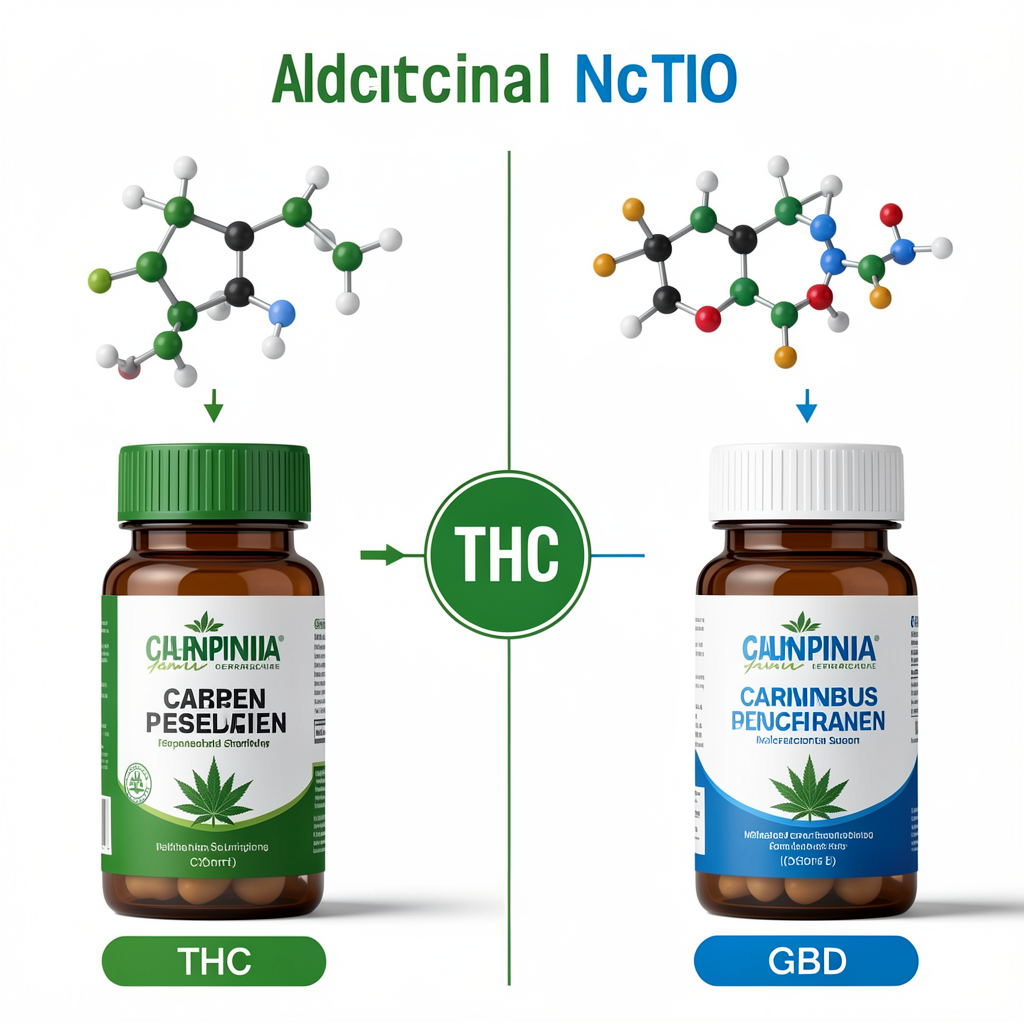
THC can cause intoxication and may affect memory, coordination, and anxiety, while CBD is not typically intoxicating but can still cause side effects and drug interactions. Check the amounts per serving—not just the product name—and avoid assuming that “natural” means harmless.
Compare Product Formats
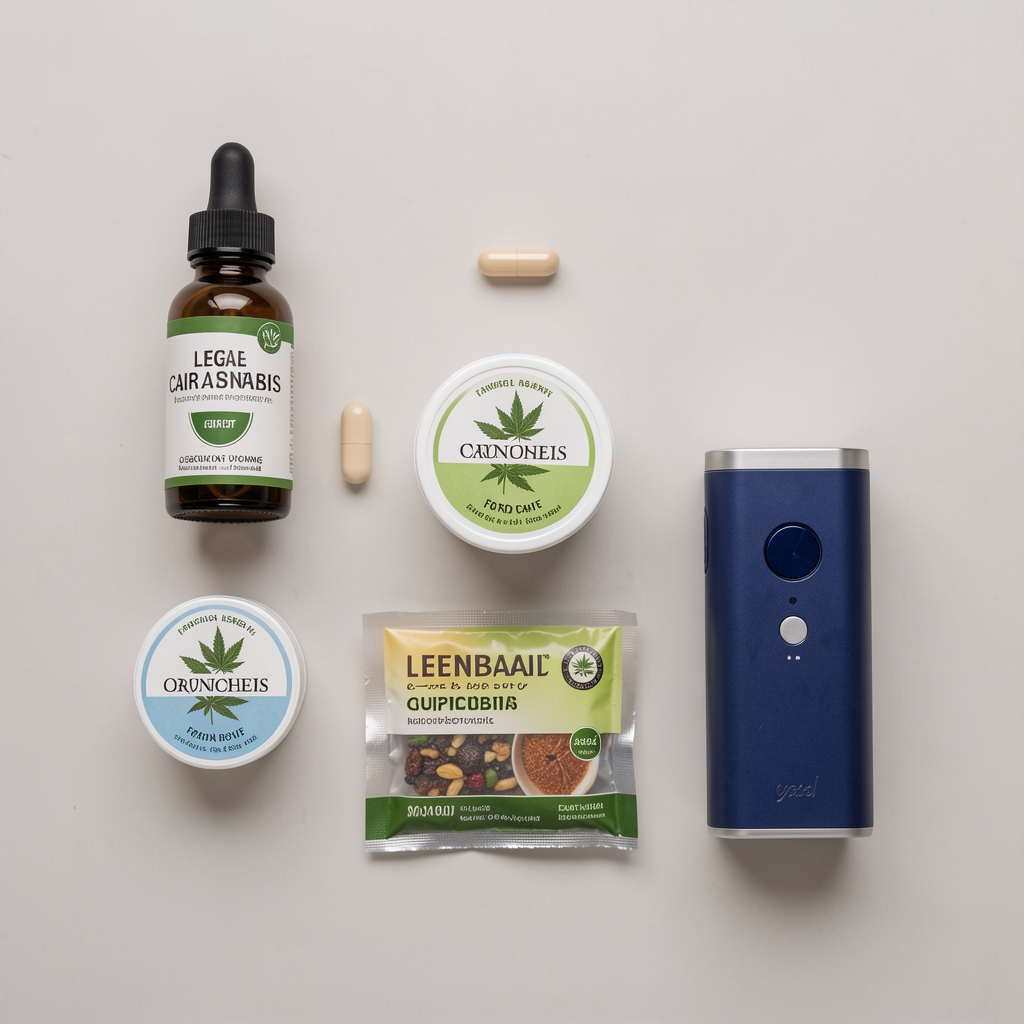
Inhaled cannabis usually acts faster and wears off sooner than edible products. Edibles may take hours to peak, making premature redosing a common problem. Record the product, serving size, timing, and effects so you can recognize patterns and discuss them with a clinician.

Consider Personal Risk Factors
Age, pregnancy, heart conditions, mental health history, substance-use history, and current medications can change the risk profile. Adolescents, pregnant or breastfeeding people, and individuals with psychosis risk should avoid cannabis and seek personalized guidance from a qualified healthcare professional.
Potential Uses, Evidence, and Limits

Review Pain Evidence
Some cannabinoid medicines may provide modest relief for certain chronic or neuropathic pain conditions, but responses vary and side effects can offset benefits. Ask a clinician how cannabis compares with established treatments, and agree on measurable goals such as sleep, mobility, or daily function.
Explore Approved Medical Uses
Evidence is strongest for specific regulated cannabinoid medicines used in limited conditions, including certain seizure disorders, chemotherapy-related nausea, and multiple-sclerosis spasticity. Approval and availability differ by location. Verify the exact formulation, indication, and medical supervision required before considering treatment.

Set Clear Treatment Goals
Before trying a cannabis-based treatment, define the symptom, desired improvement, review date, and reasons to stop. Track function and side effects rather than relying only on how you feel in the moment. Avoid replacing prescribed care without discussing the change with your clinician.
Reduce Risks and Recognize Problems
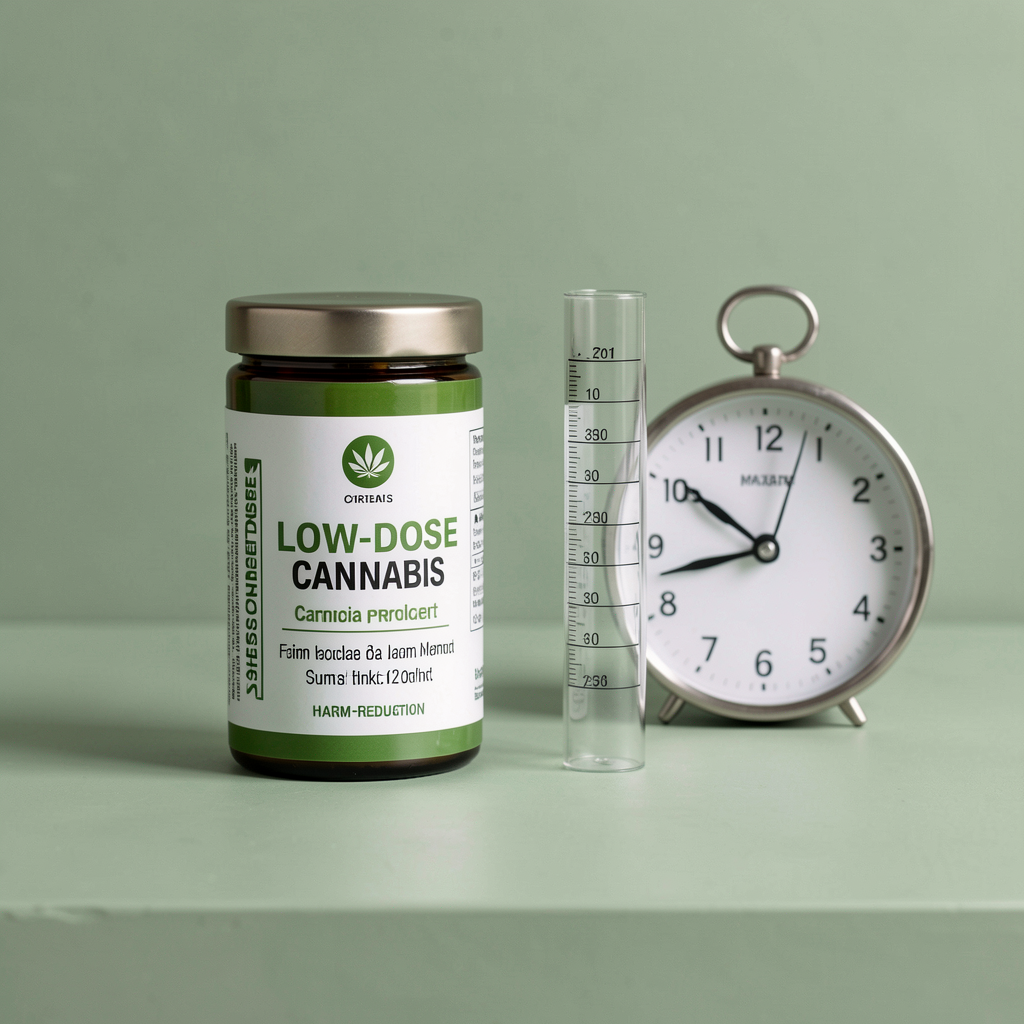
Start Low, Go Slow
If cannabis is legal and appropriate for you, choose a clearly labeled, lower-THC product and use the smallest serving. Wait long enough for the format to take effect before considering more, especially with edibles. Do not mix cannabis with alcohol or other impairing substances.

Prevent Impaired Driving
Cannabis can slow reaction time, alter attention, and impair coordination. Never drive, cycle in traffic, or operate machinery while impaired. Effects may outlast the noticeable “high,” especially after edibles. Plan transportation in advance and follow local impairment laws.
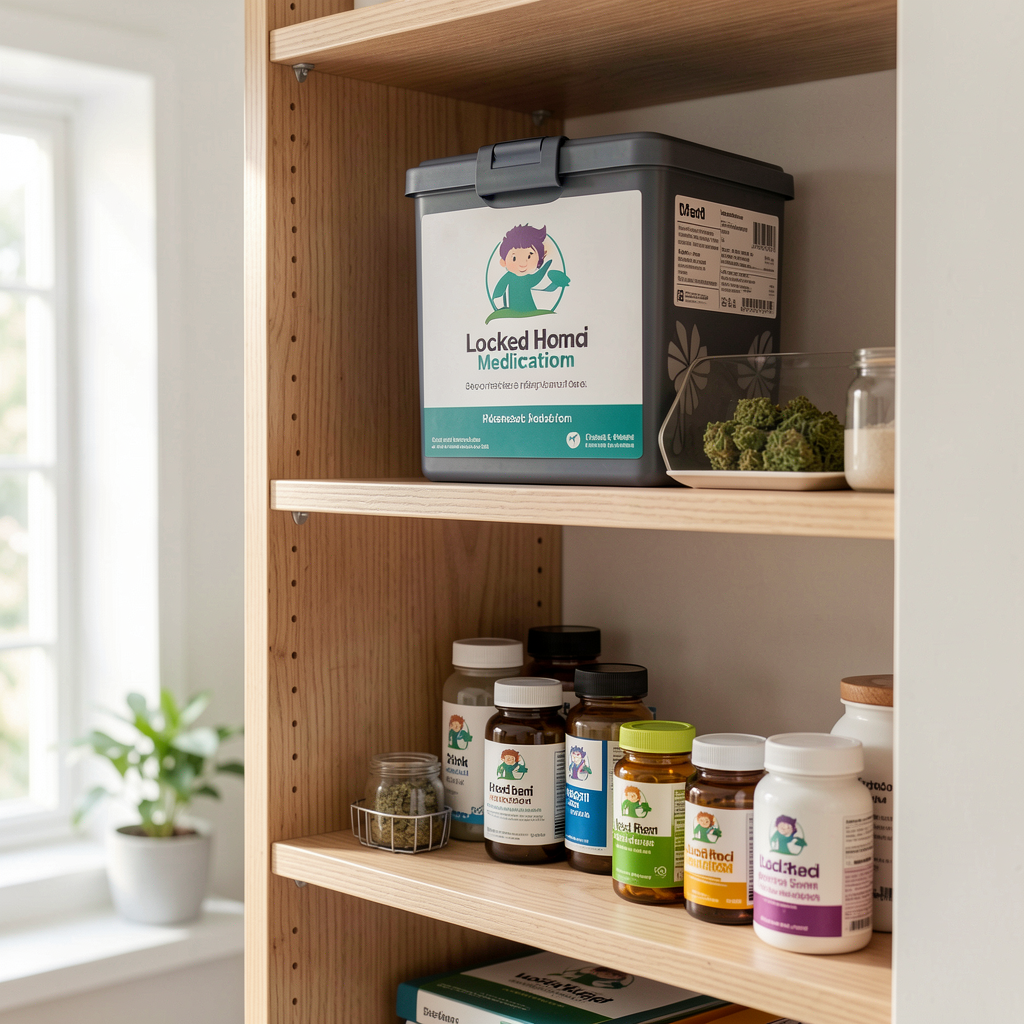
Spot Warning Signs
Frequent cravings, rising tolerance, failed attempts to cut back, or cannabis interfering with work and relationships may indicate a use disorder. Seek urgent help for chest pain, severe confusion, loss of consciousness, or dangerous behavior. Store every product locked away from children and pets.